University Park, IL,
10
January
2025
|
12:50 PM
America/Chicago
Fraud during natural disasters: Tips for recognizing and preventing scams
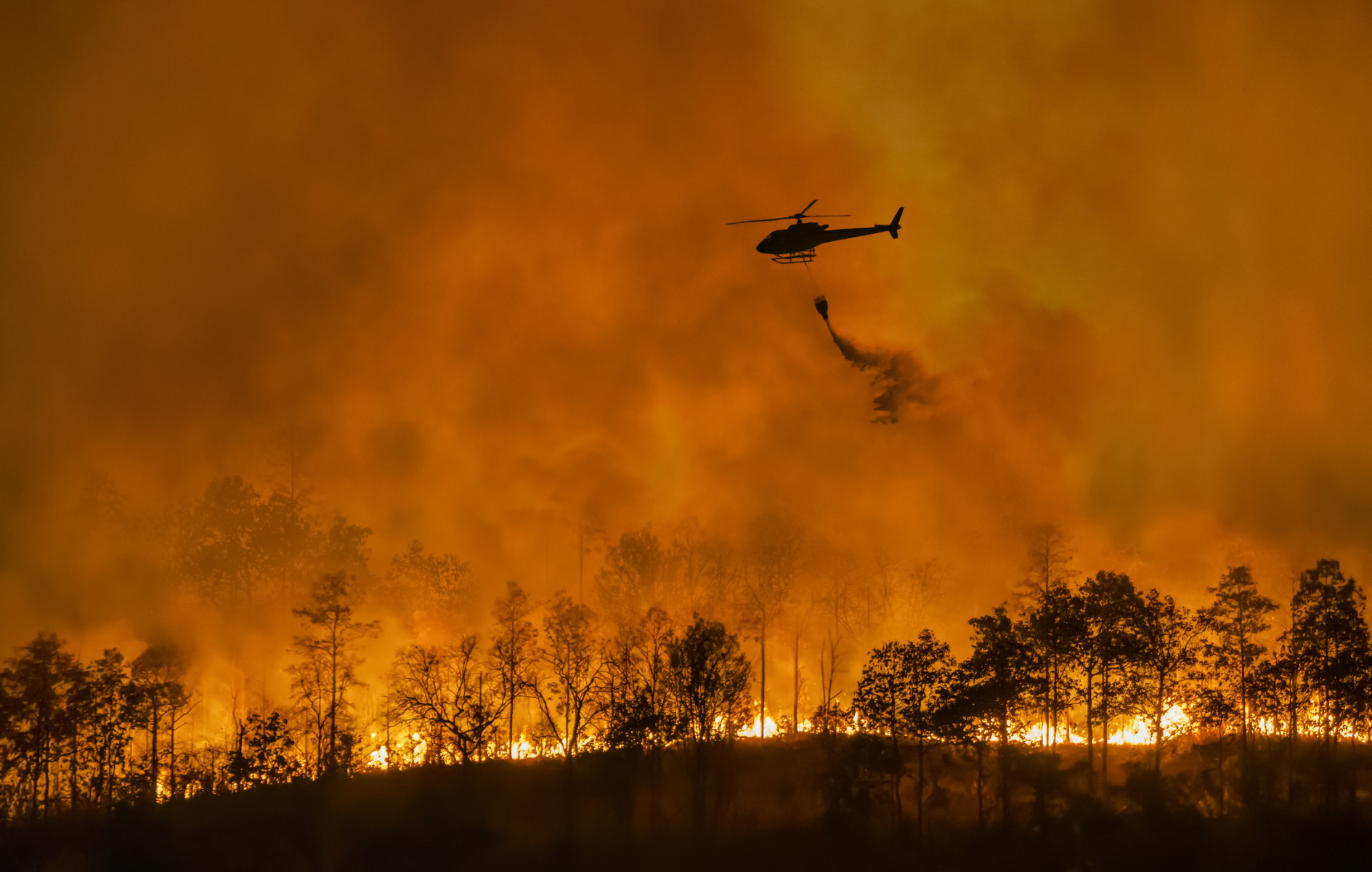
Fire fighting helicopter carry water bucket to extinguish the forest fire.
By William Kresse, JD, CPA, CFE
Whenever there is a disaster, whether natural or otherwise, appeals go out from legitimate charities seeking funding to aid those impacted.
Unfortunately, fraudsters take advantage of this opportunity to try to separate good-hearted people from their money by using various scams.
Here are a couple of tips that folks who wish to help should remember:
- No legitimate charity is going to rush you into making a contribution. If contacted by telephone, text or email, they may cite the urgency of the situation, but they are not going to require you to contribute on the spot. Do not fall for heavy pressure tactics.
- Fraudsters are increasingly using text messaging to play their craft. Just because it is a text does not make it more legitimate.
- Avoid clicking on a link in a text or email or scanning a provided QR code. Fraudsters have been known to use these to direct you to a "look alike" websites where they will ask you for your credit card and other identifying information. Fraudsters have become very good at constructing webpages that look like legitimate charity websites. Worse yet, clicking on a provided link could result in your device being infected with malware or other viruses.
- It is always safest to contribute to well-known charities that you have successfully contributed to in the past. But if you hear of a new organization that sounds promising, you may want to do some research first. Two good sources of trusted information are GuideStar/Candid and the Better Business Bureau Wise Giving Alliance.
- When searching for the webpage for a charity online, do not necessarily click on the "sponsored" links that are listed first. Fraudsters have been known to sponsor ads for look-alike / sound alike bogus charities so as to confuse contributors. Rather, scroll down and click on the non-sponsored links and review the website where you are taken to see if it looks correct.
- Whenever contributing online, please check that the URL begins with "https". That letter "s" shows that you have a secure link to the charity.
Good luck with your charitable giving, and let's keep the victims and responders in our thoughts and prayers, as well.