
Understanding gaps in representation and services for Latino/a communities in social work
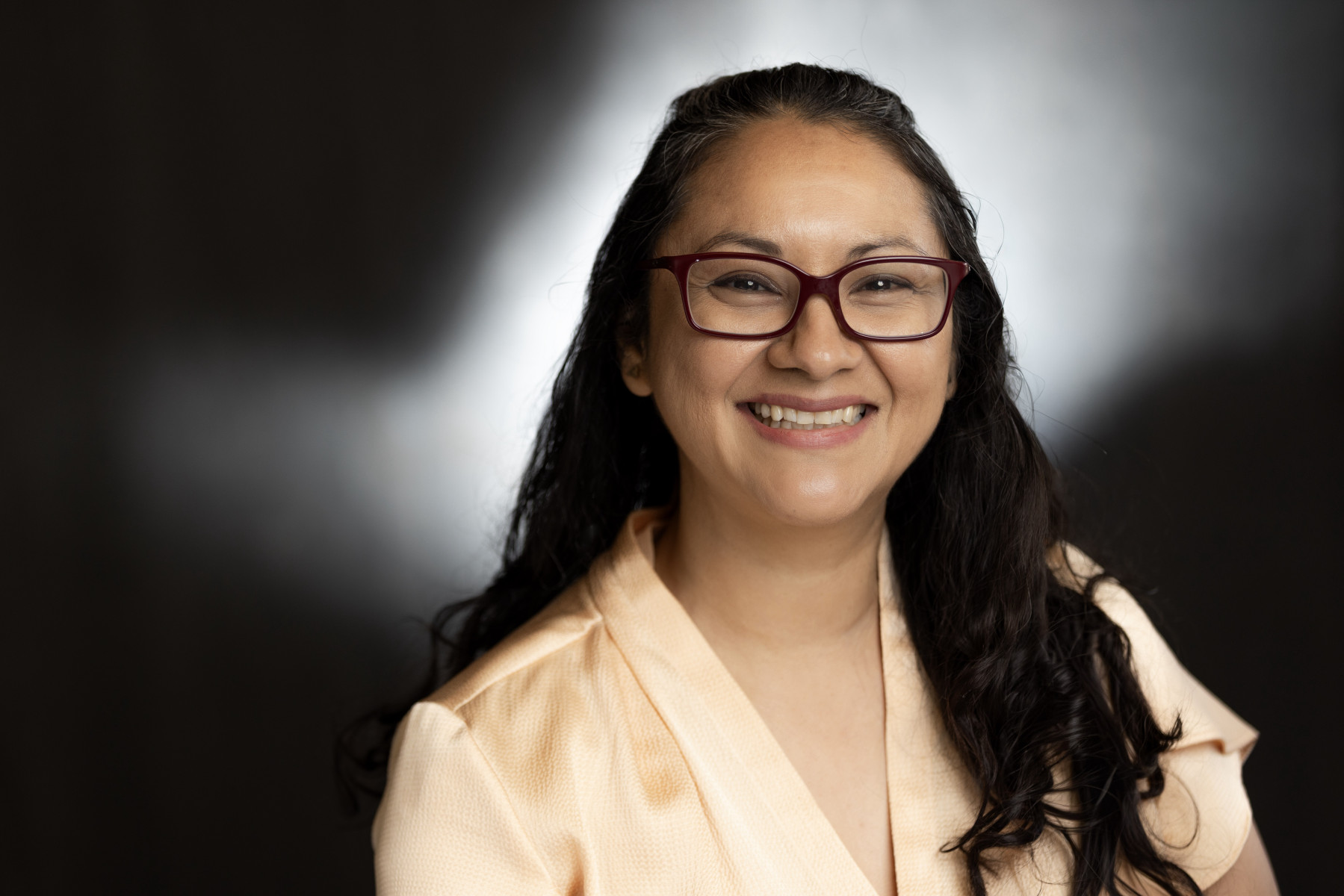
By Karina Escobar Flores, Guest Writer, and Haley Walsh, Guest Writer
While data show gaps in representation and services for Latino/a communities in the social work field, Latino/a Social Workers, such as Dr. Linda Campos-Moreira, an Assistant Professor of Social Work at Governors State University (GovState), understand what these gaps can look like in real life for their clients.
“You might have more clients on the waitlist for you, especially if you’re bilingual,” Dr. Campos-Moreira said. “When I decided to go into this field, I wanted to be able to fill the gaps in the services that exist, and gaps in representation for the community.”
As a Latina Social Worker, she understands how her work must take into consideration the impact of the environment and policies on the communities she works with and how a person’s sense of identity affects the way they interact with the world.
“Our professional ethics are to advocate not only for individuals, but for communities and social change,” said Dr. Campos-Moreira.
In Dr. Campos-Moreira’s own experience, she says a person starts to learn about their ethnic identity early in life, usually in school, “when someone notices that you’re different than they are.” Through her own experiences, she came to realize how important identity is for kids or adults who are navigating spaces where they aren’t well represented.
“I felt like so many students were dropping out of school, and it felt like they were being pushed out because they didn’t feel like they were cared for or had connections with teachers, staff, or the school,” said Dr. Campos-Moreira.
Her influence to become a social worker came from growing up in a household with addiction, poverty, and domestic violence.
“That definitely influenced me wanting to learn about why people behave the way that they do,” said Dr. Campos-Moreira.
This initially led her to be a psychology major, but when she volunteered to work on a project with a Social Work professor where they interviewed people who used a wheelchair as a result of being shot about their outlook on life, she realized she would be better suited to social work. While working at her junior college, she was responsible for establishing relationships with Latino/a bilingual families, teachers, and counselors, to help the parents and families to navigate higher education in this country.
“I really liked it. I got to work with families, community partners, and amazing students," said Dr. Campos-Moreira. "I also learned how you can advocate for changes in policies, not just at the institutional level, but at the state and federal level.”
She carries these experiences into her current work at GovState, where Dr. Campos-Moreira is always interested in how she can help students be successful, and create culturally inclusive environments where they feel like they belong.
Every year, she takes students with her to the Latino Social Workers Conference in Chicago to meet and network with other Latino professionals in the field. She wants her students to know they always have a community to rely on.
“It’s about strengthening the community,” said Dr. Campos-Moreira.
When thinking of the social work program at GovState, she considers the work her department does gives students the opportunity to learn how to advocate for themselves.
“I’m really proud of our program, and our department. The faculty really care about students. They care if students succeed,” said Dr. Campos-Moreira.
Karina Escobar Flores is a student in the Bachelor of Fine Arts program in the College of Arts and Sciences and Haley Walsh is Coordinator of Strategic Program Initiatives in the College of Health and Human Services.