
Language is about more than communication
Communication Disorders professor on language, culture, and identity
By Haley Walsh, Guest Writer, and Karina Escobar Flores, Guest Writer
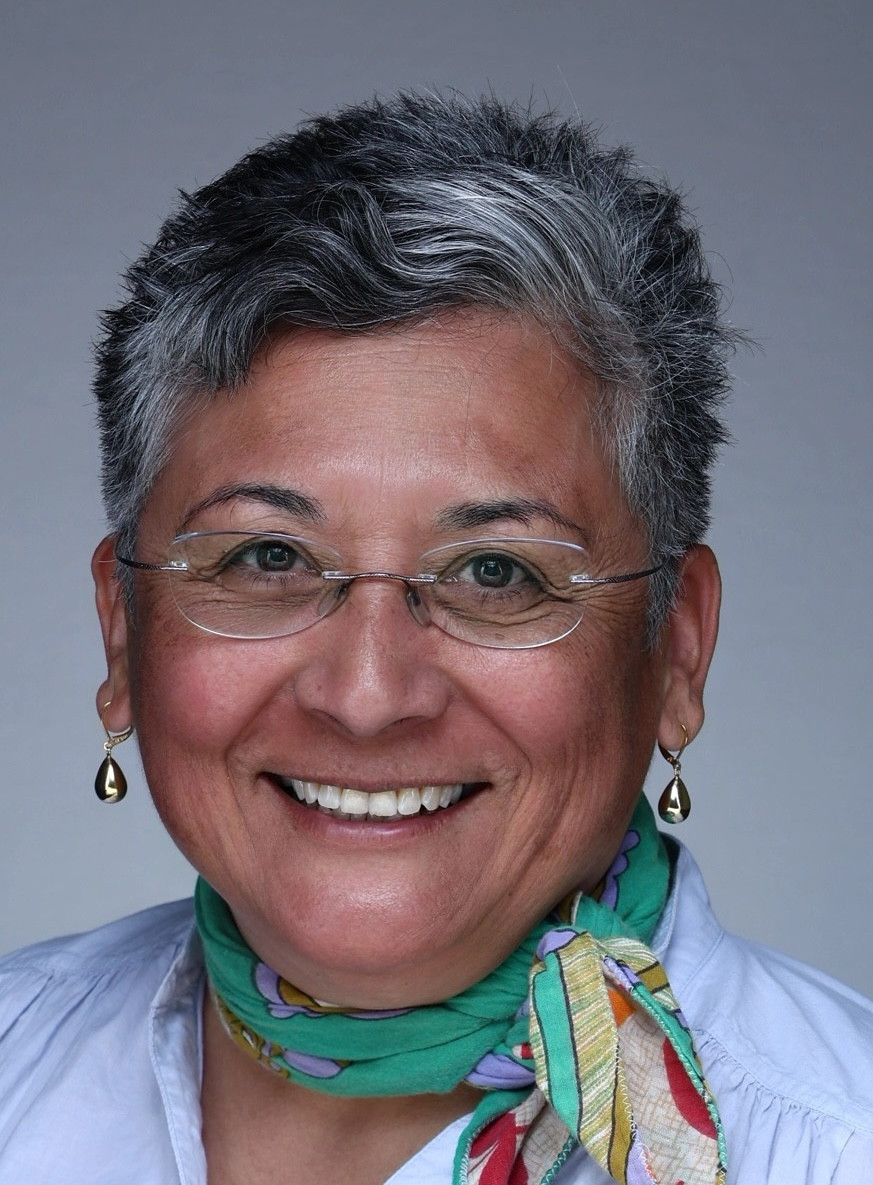
Governors State University (GovState) professor Dr. Lidia Huerta’s interest in Speech Language Pathology is rooted in her own linguistic and cultural background. As the daughter of Mexican immigrants who grew up in a household that spoke Spanish, Huerta learned English when she entered the educational system in Chicago. Through her lived experiences and work as a speech-language pathologist (SLP) she learned that language is about much more than communication.
“Language also represents an individual’s cultural roots, family relationships, identity, and a sense of belonging,” said Huerta, Assistant Professor of Communications Disorders.
This is an important distinction that she continues to teach her students in the Communication Disorders program at the university.
While working as a SLP in the Latino Community, primarily with bilingual (Spanish/English) children with communication disorders, Huerta became aware that clinical assessment and intervention services did not always account for the rich linguistic and cultural backgrounds of the children and families served.
“That realization reshaped my commitment to ensuring that the linguistic and cultural experiences of children and families are recognized, valued, and reflected in the services we provide,” said Huerta.
Through her journey as a clinician and scholar Huerta has learned the importance of building a partnership with the families she serves. She emphasizes that clinicians need to listen and work together with families to identify strategies that make sense within the family’s everyday lives. Moreover, Huerta wants families to understand that maintaining and using their home language is valuable. Parents should not feel that they need to give up Spanish—or any heritage language—in order to support their child's communication development.
“I want to help the children and families I work with to recognize that their culture, language, and background are sources of strength,” said Huerta.
Huerta remembers working with an Ecuadorian Family during her earlier years as an SLP. Huerta recalls the family centered approach utilized as a beautiful partnership.
“While providing language therapy focusing on enhancing the child’s expressive language skills, I would meet with the child’s mother at the beginning of the therapy session to review the vocabulary words being targeted in the therapy session," said Huerta. :We would discuss words that differed between Mexican Spanish and Ecuadorian Spanish.”
This experience was foundational for Huerta, deepening her understanding that Latinx communities are not culturally or linguistically homogeneous. Even among individuals who share a broader cultural identity, language practices, cultural traditions, and lived experiences can vary considerably.
Huerta makes an effort to support every proficiency level of someone’s heritage language and encourages students at GovState to see their diverse cultural and linguistic backgrounds as strengths while encouraging monolingual students to recognize and appreciate the languages, cultural identities, and lived experiences of the clients and families they will serve.
“For the larger Latino community here at Governors State, I encourage folks to not be discouraged from speaking their heritage language even when they feel like they don't speak it well; just keep trying,” said Huerta.
Haley Walsh is Coordinator of Strategic Program Initiatives in the College of Health and Human Services and Karina Escobar Flores is a student in the Bachelor of Fine Arts program in the College of Arts and Sciences.