
Understanding money management and not being afraid to talk about it
By Sarah Shoaf, Staff Writer
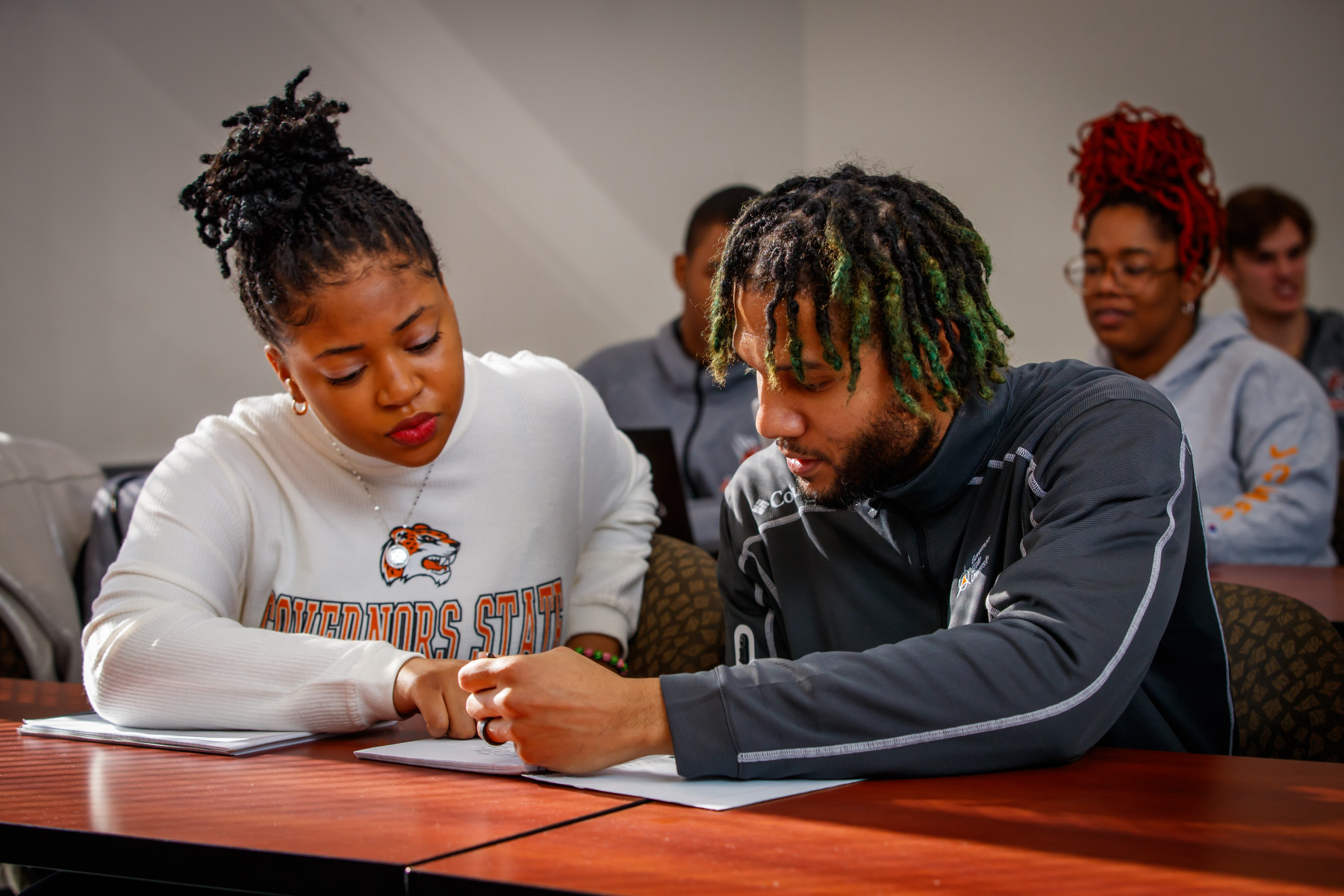
Talking about money can be scary, but it shouldn’t be, something that Governors State University (GovState) Accounting Professor Chevonne Alston reminds all her students.
“A lot of time students walk into my classroom like, ‘oh no accounting’ and they don’t like it,” said Alston with a slight laugh. “But I always start with, ‘but you like money, though right?’”
One of Alston’s research passions is financial literacy, a topic that might sound more complicated than it is, and something that many people likely practice often without realizing it.
“For me personally, I think financial literacy is having insight regarding the money that you make and the money that you spend, and how you operate in your environment in terms of what your plans are in the short term and long term,” shared Alston.
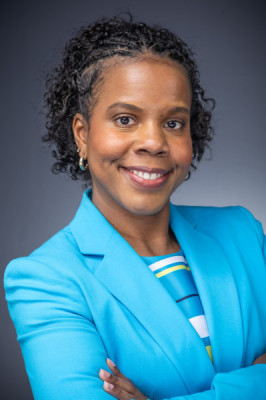 This can include many budgetary expenses like housing, food, utilities, and travel. “You have to plan outside of that ongoing weekly, monthly budget,” advised Alston (pictured right). She shared some of the questions people might want to ask themselves when planning these expenses.
“So, what’s the long-term vision if you’re in an apartment right now? What do you need to do to get into that house?” began Alston. “If you are taking public transportation and you decide you want to have a car, what do you need to do in order to not go into overwhelming debt doing so?”
Budgeting doesn’t have to be a formal, written out documented process either, Alston added, “It’s even mentally, like something as simple as going in a store and saying, ‘I’m going to spend this amount of money’ and just making sure you don’t go too far off that plan.”
There are resources available for those who want to take more active steps towards managing their money. Alston suggested Microsoft Excel as a good starting point since it offers different templates like family budgeting or personal planning that help people look at what they’re actually spending.
Banks can also be a good place to start. “If you have any type of bank account, checking or savings, a lot of times your financial institution is going to offer resources as well,” said Alston.
Another option available is iGrad, a personal finance platform that can help people better understand how to manage their money.
“When you set up a password, you’re asked different questions about financial goals and it does an assessment of where you are related to those goals,” said Alston. “The site has a wealth of information, so if you’re interested in savings, you can look at budgeting, retirement, all that.”
She hopes that resources like these can help people manage their spending and saving, and change their mindset when it comes to talking about money.
“I think it should be more conversational and more open, and not as taboo as it is unfortunately,” said Alston. “Just having these conversations and sharing thoughts of what plans we’re making with money comfortable, so it’s not something that you’re apprehensive about.”