
Like a moth to a flame: Studying reproduction at a molecular level
By Sarah Shoaf, Staff Writer
It can be difficult to imagine how a reproductive cell can carry no DNA, yet Governors State University's (GovState) Dr. Melissa Plakke's research on moths looks further into this very real biological anomaly.
“This specific project is looking at how the history of a female can affect the reproductive biology of a species,” said Plakke, Assistant Professor of Biology. “Specifically, in butterflies and moths, males have two types of sperm, one of which does not possess a nucleus (the genetic material). This runs counter to everything we know about how sperm work.”
Recently awarded a three-year grant from the National Science Foundation (NSF) for over $400,000 to build her research and increase research opportunities for GovState students, Plakke will study moths as they’re exposed to different conditions “to determine if the interactions between the sexes is responsible for this unusual condition” where genetic material is absent in reproductive cells.
She elaborated on the impact this research could have on fertility knowledge.
 “Findings from this research could contribute to future applications to either increase or decrease fertility of organisms,” said Plakke (pictured right). “For example, 1/8 couples struggle with infertility in the United States and 1/3 of these cases are unexplained. Findings from this study could help identify potential areas of future study to help in these instances.”
Plakke added that studying insect reproduction can help more effectively target pest species that destroy crops or impact human health.
For the more local insect population, Plakke’s research grant will benefit the gardens near GovState’s biology department in the F building. The garden beds are overrun with invasive species after being neglected for some time.
“Students and I are converting these garden beds into inspirational plots that will demonstrate that native plants are beautiful and easy to maintain in your own gardens at home,” said Plakke. “Students will monitor insects and birds in the garden to ensure we are providing everything they need.”
As part of the garden revival, there will be educational materials available on the plants that serve as food or habitat for native pollinators, like butterflies and bees, and picnic tables so anyone can stop by and enjoy the garden.
For Plakke, she notes that the best part of the grant is the chance to support students and offer them opportunities to be part of ongoing research.
“Being able to give back to the GovState community feels like a privilege and I can’t wait to see what we accomplish together,” said Plakke. “The equipment and tools that this grant covers will support research and projects for the years to come, allowing GovState to remain competitive and modern in biological research while training students for future careers.”
Anyone interested in getting involved with Dr. Plakke’s research can reach out to her at mplakke@govst.edu.
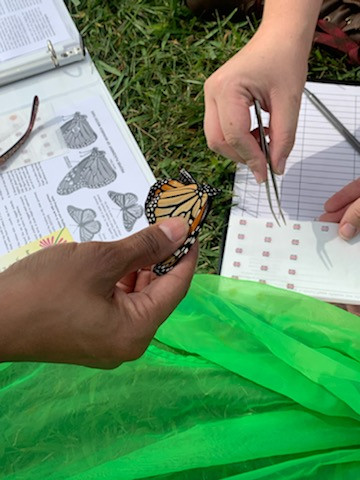
Beyond this project, Dr. Plakke hosts an annual monarch migration event in September at the Nathan Manilow Sculpture Park (theNate). Keep an eye out for more details as they become available.
Interested in learning more about the Biology program? Click here.