
Athletic training then and now: The post-Olympic dream
By Sarah Shoaf, Staff Writer
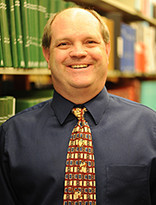
As the Olympics returned to Italy this year, and the world watched the best athletes in the world compete, Governors State University (GovState) Professor David Diers weighs in on the physical toll of training and the advancements in the medical field.
Diers, Chair of the Physical Therapy program, volunteered as an athletic trainer and physical therapist at the 2006 Olympic Trials leading up to the games in Turin, an experience that still brings a smile to his face.
“It was a lot of fun,” said Diers. “It’s mostly the people you get to meet and the fun you get to have with them.”
Diers had volunteered for the U.S. Olympic Committee, finding himself assigned to the ice dancing and ice-skating trials in St. Louis. In his role then, he worked with the athletes for rehab and getting them ready during practice sessions and competitions.
When it comes to medical advancements regarding athletes, Diers has noticed a shift in how certain injuries are treated now compared to 20 or more years ago.
“I always use the example of an ACL reconstruction,” said Diers. “It’s a common injury and it always has been, but when we first started doing ACL reconstructions in the 80s, we’d keep people in a cast for 12 weeks. Now they just get a little brace, and we get them moving up and walking right away.”
“So, if you tore your ACL then, you might get to walk again, but your athletic career is kind of over and now, you’ll be back in a year with rehab.”
He credits the ability to share research digitally as a large contributor to advancements in athletic training. “Part of the reason you see so many advances in athletic performance is we just know more.”
“Sharing databases with computers, now I know it sounds ancient,” Diers said with a chuckle. “But back when I first started doing this [athletic training], there was no Internet, so sharing data was a little bit tougher back then.”
Currently, Diers works full-time as the Chair of the Physical Therapy program at GovState, but he also works part time as an athletic trainer for the Riverside Medical system, where he covers sporting events for high schools.
In this role, Diers helps on the sidelines with taping, equipment, nutrition and other things necessary to get the athletes ready for the game. During games, he’s on standby for any issues or injuries, and checks in post-game to get the athletes prepped for their next game.
For Diers, working in physical therapy and athletic training stems a bit from his experience as a runner in high school and knowing the work that goes into taking care of your body.
“I’ve always liked helping people, especially with athletes, so that kind of led me to this career,” said Diers. “Helping people perform at their best, working with them and seeing them perform well, to achieve that—that’s the goal.”
For students interested in learning more about the PT program at GovState, visit https://www.govst.edu/DPT/ to learn more.